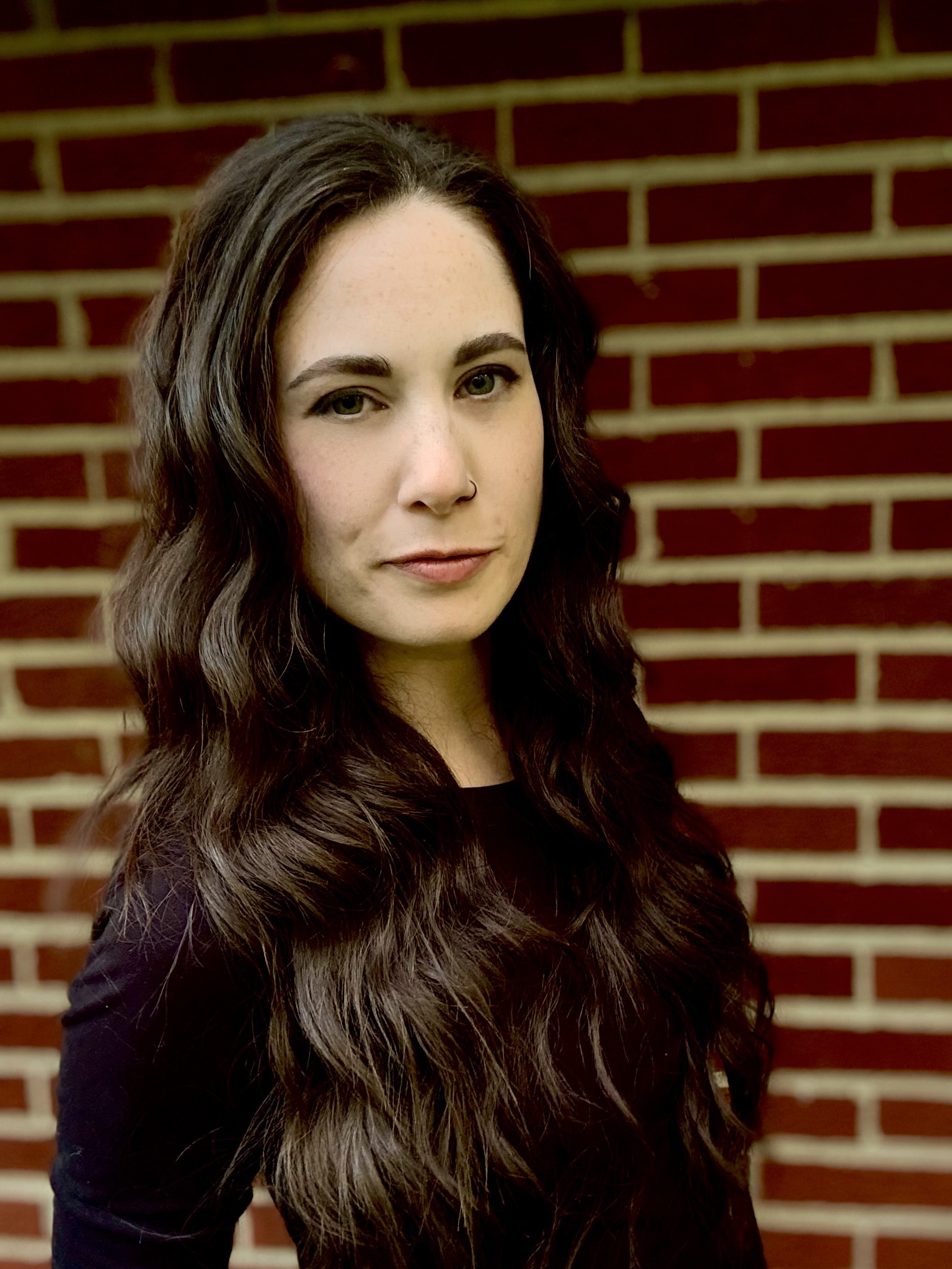
Hi, I’m Wren bailey.
Social-Emotional Development Expert • Philosopher • Children's Rights Advocate
For two decades, I've worked with children, parents, educators, and communities, guided by the question:
How do we raise children to become emotionally healthy adults?
Everything I've created—from Mindful Childcare to child abuse prevention, curriculum development, public speaking, and The Social-Emotional Life podcast—has been a expression of my mission to answer that question.
Early in my career, I noticed something that bothered me: The bulk of traditional behavior-management strategies seemed to create more problems in children than growth. Even when those strategies stopped undesired behaviors, they tended to leave children feeling discouraged, misunderstood, and alone. Furthermore, traditional strategies seemed to focus on punishing children for doing the “wrong” things, yet offer little support in mastering the “right” things.
That realization changed the course of my career, and sent me on a decade-long journey. I immersed myself in developmental psychology, attachment science, neuroscience, trauma research, and parenting philosophies from around the world. More importantly, I spent years putting those concepts into practice with the hundreds of children and families I was honored to work alongside.
As I researched and tested over time, one pattern became impossible to ignore: lasting behavioral change wasn't produced through control—it emerged from connection. Control-based approaches often escalated conflict, weakened relationships, and left children without the skills they actually needed. Connection-based approaches, on the other hand, consistently fostered cooperation, emotional growth, and healthier relationships. Across children of different ages, personalities, and backgrounds, the pattern repeated itself again and again.
From those discoveries, Mindful Childcare was born. Parents, teachers, and community members noticed the difference Mindful Childcare made in the lives of children and their adults. I was invited to speak at school and daycare staff meetings, coach struggling parents, support educators in cultivating calmer classrooms, facilitate workshops, and more.
Today, I serve in additional roles which support my values and mission:
I serve as Program Director for Dayton’s SCAN (Stop Child Abuse & Neglect) program, focused on child sexual abuse prevention education. In that role, I develop curriculum, train educators, teach child abuse prevention throughout Ohio, and advocate for healthier childhoods on a broader scale.
I also serve Montgomery County’s Prevention Coalition as co-chair for their Power-Based Violence Prevention committee. There, I help guide a coalition of passionate community leaders and advance county-wide efforts to prevent power-based violence.
Everything I teach lives at the intersection of science, experience, compassion, and deep curiosity.
I don't believe children are problems to be managed—I believe they're whole people whose brains are still developing. When we understand how children grow emotionally, we can guide their behavior in ways that build not only cooperation today, but resilience, emotional intelligence, and healthy relationships for a lifetime.
Because children don't stay children. They become partners, parents, teachers, coworkers, neighbors, leaders, and friends. The emotional skills they develop in childhood become the foundation for every relationship they'll build as adults.
That's why I believe emotionally healthy adults create healthier families, healthier schools, healthier workplaces, healthier communities, and ultimately, a healthier world.
So bottom line:
When we raise emotionally healthy humans, we change the world.